
To add social icons go to appearance > widgets

OR Disable through options panel.

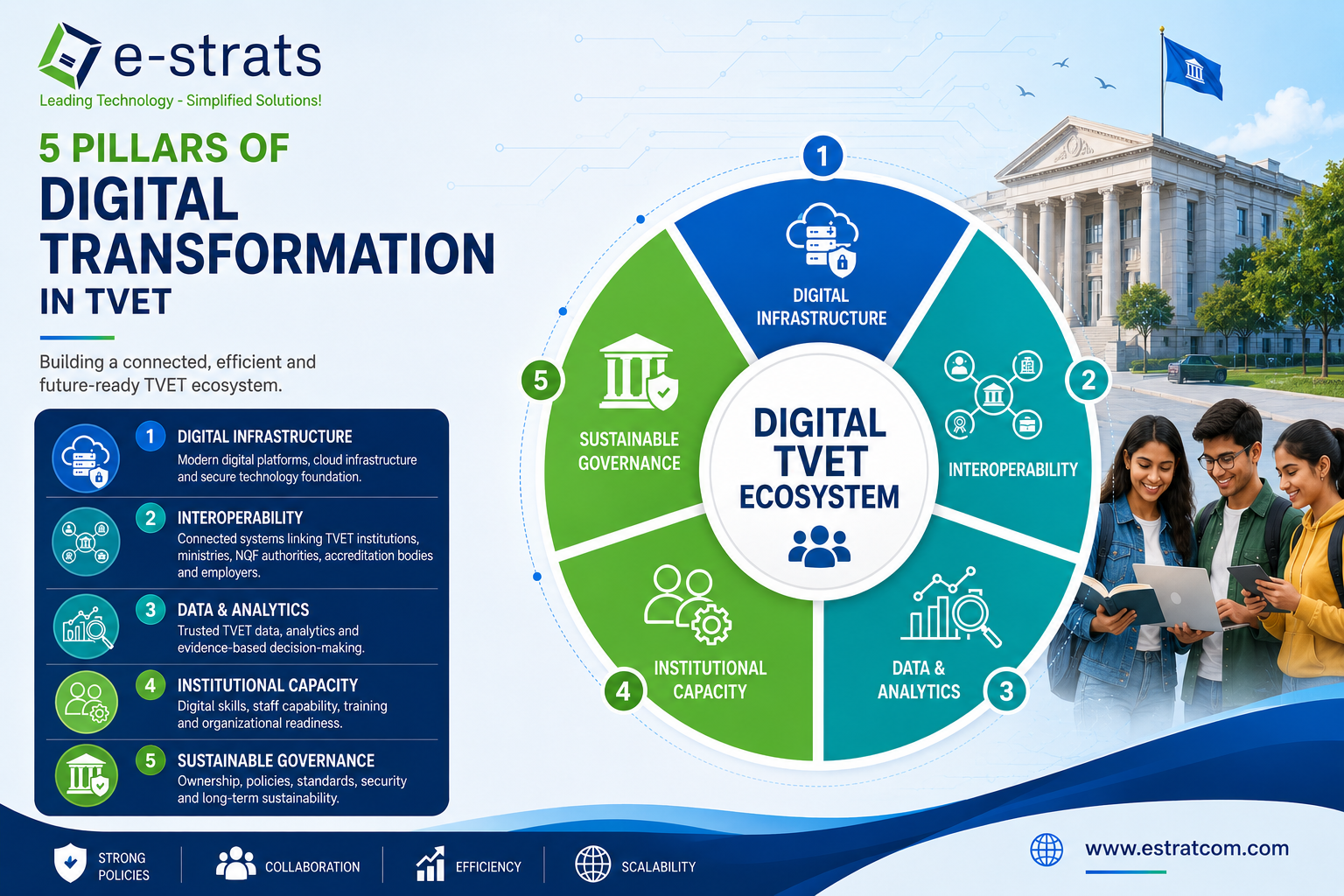
5 pillars of Digital Transformation in TVET

5 Pillars of Digital Transformation in TVET: Building Smarter, Connected Skills Systems

What Is Digital Transformation in TVET? Digital transformation in TVET is the strategic use of digital technologies, data, connected systems, and redesigned processes to improve how skills systems are governed, delivered, monitored, and connected to labour-market needs. More importantly, it can influence almost every part of the TVET ecosystem, including: Qualification development and management NQF..

Read more
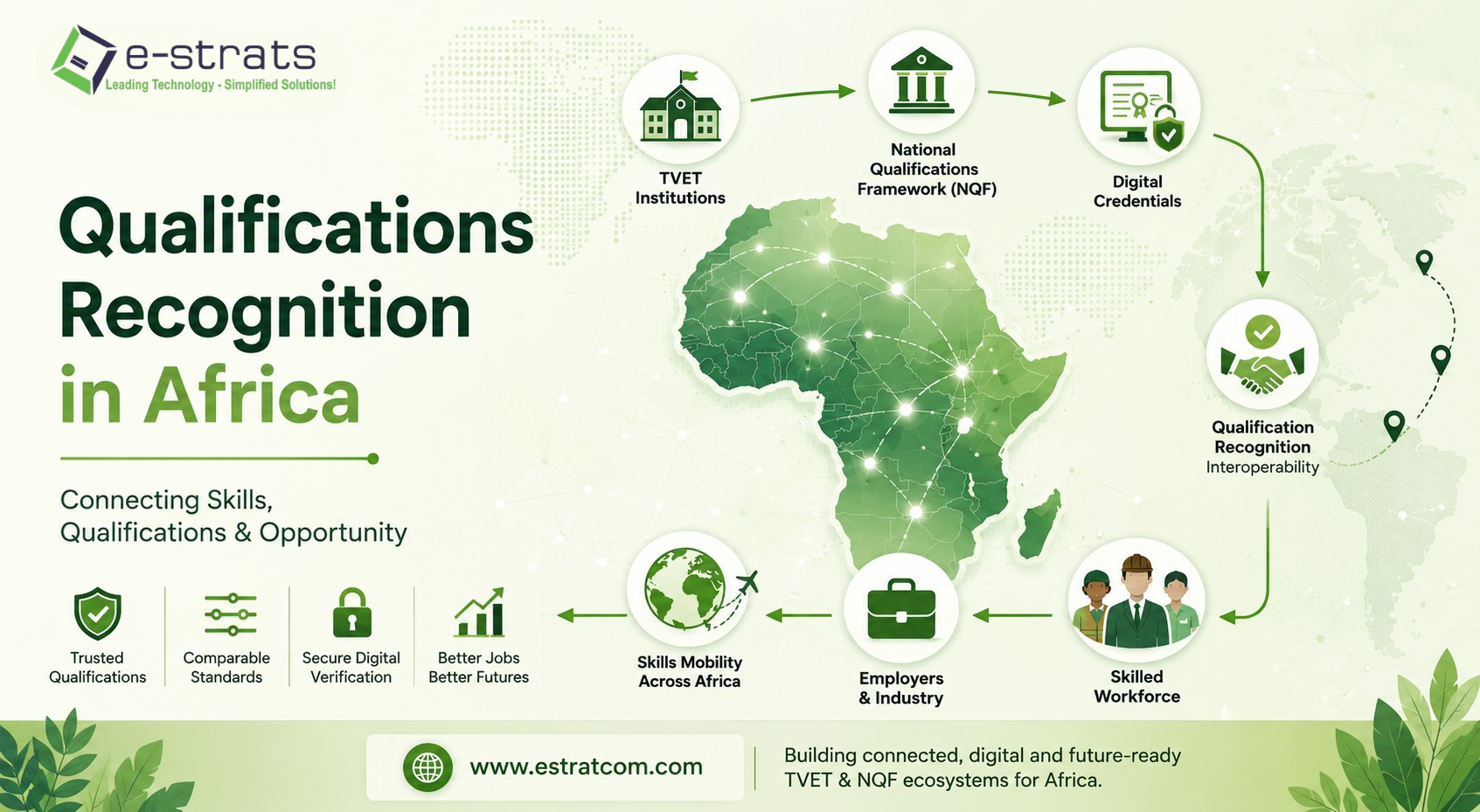
Qualification Recognition in Africa Through Digital Transformation

Qualifications Recognition in Africa: Why It Matters for the Future Workforce?

Africa’s workforce is entering a period of profound change, making Qualifications Recognition in Africa increasingly important for building a skilled, mobile and competitive workforce. Digitalisation, artificial intelligence, the green economy, regional integration and changing labour-market needs are reshaping the skills African economies require. At the same time, millions of young Africans are entering the workforce..

Read more
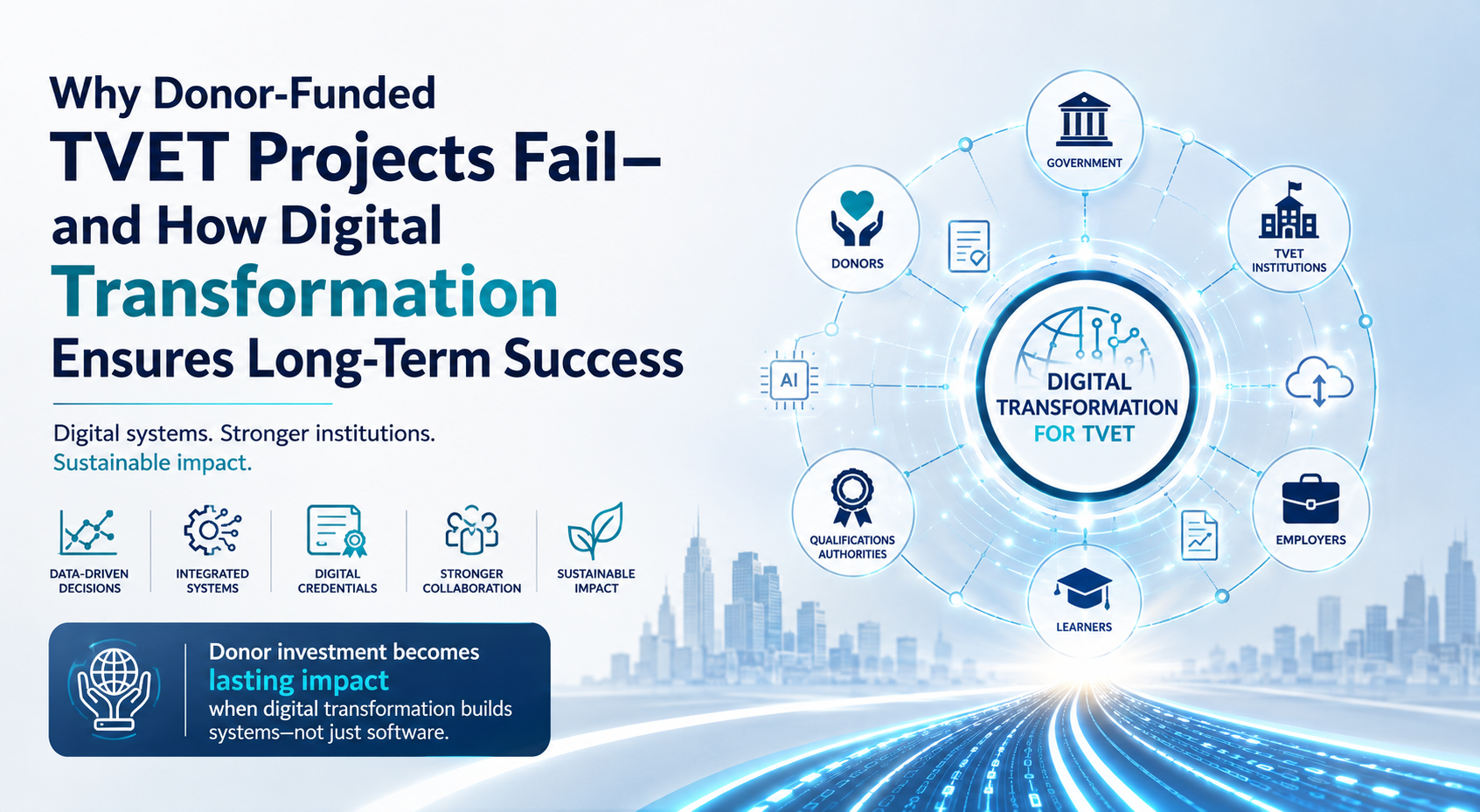
Why donor funded TVET projects fail

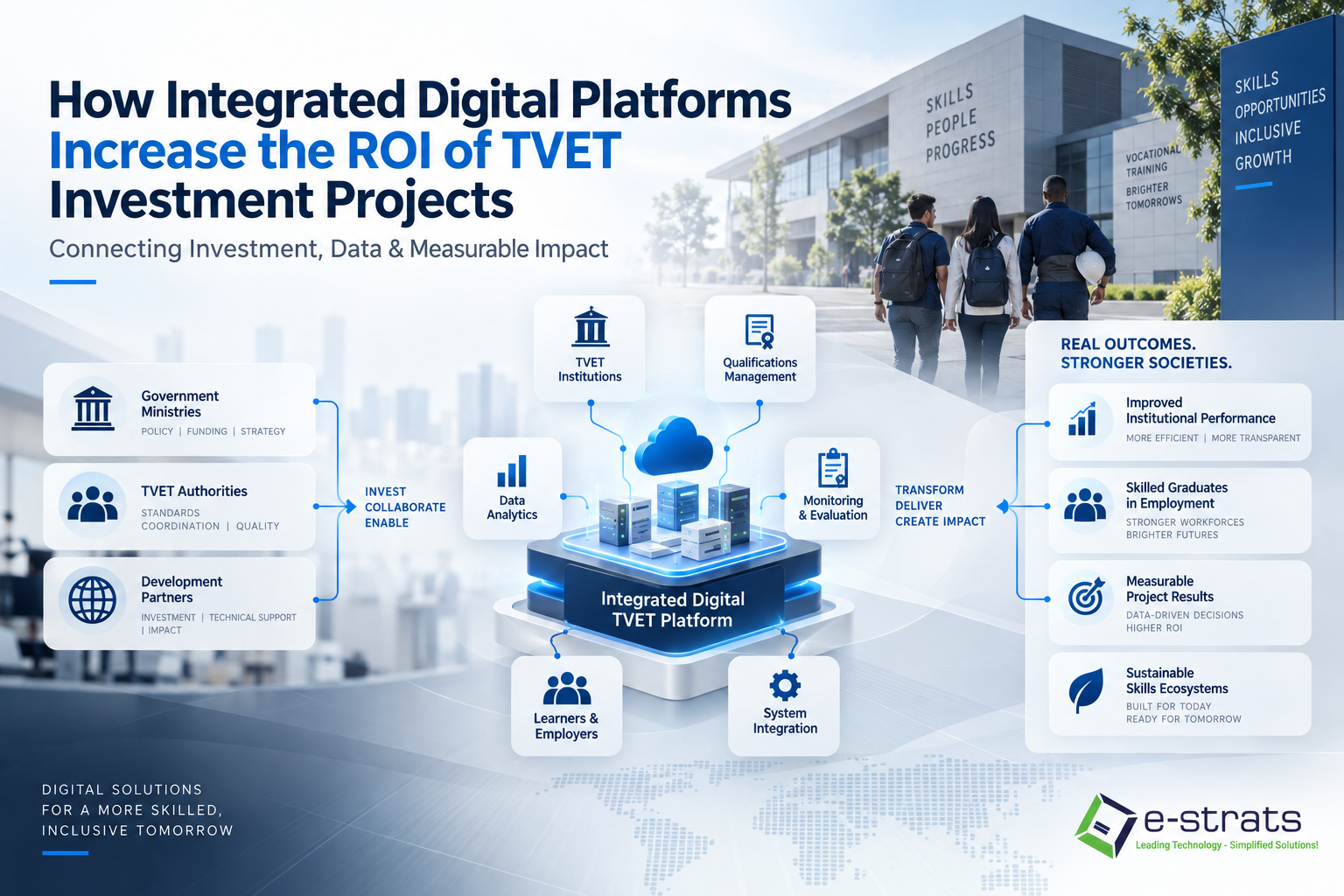
Why Donor Funded TVET Projects Fail — How Digital Transformation Ensures Long Term Success?

Donor-funded TVET projects play a critical role in strengthening skills development systems across Africa, Europe, the Middle East, Asia, and other emerging and established economies.To achieve this, development partners invest billions in improving vocational education, upgrading institutions, training instructors, and developing qualifications. Furthermore, these investments focus on strengthening governance and directly connecting skills development with..

Read more
How can technology improve TVET in Africa

How AI in TVET Can Strengthen Skills Development in Africa?

Technical and Vocational Education and Training (TVET) plays a critical role in preparing Africa’s workforce for changing labour markets, emerging industries, and economic growth. Yet many TVET systems across the continent still depend on fragmented information, manual processes, paper-based records, disconnected databases, and limited access to real-time skills data. TVET digital transformation in Africa offers..

Read more
future of AI chatbots

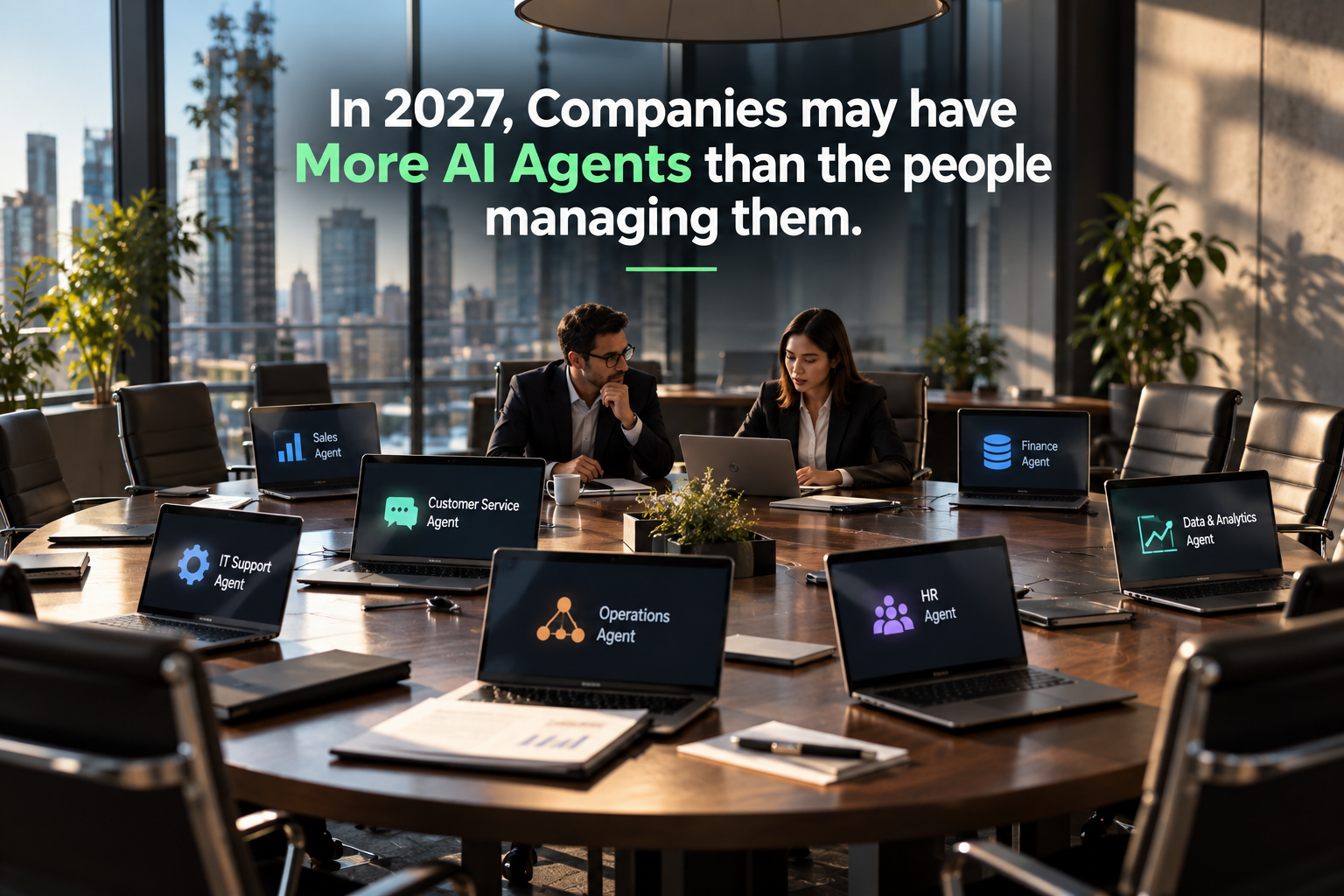
The Future of AI Chatbots: Where Conversational AI Is Headed by 2030 and How e-strats Is Building That Future Today

A decade ago, an AI chatbot meant a scripted pop-up that could answer three questions before redirecting you to a human. Today, the same term describes systems that can hold context-aware conversations, pull live data from enterprise systems, and complete multi-step tasks without supervision. That shift didn’t happen overnight, and it isn’t finished. By 2030,..

Read more
TVET Digital Transformation Roadmap

How Governments Can Successfully Digitize Their TVET Ecosystem: A Step-by-Step Roadmap

Introduction Around the world, governments are investing heavily in TVET Digital Transformation to prepare their workforce for rapidly evolving industries, technological innovation, and the future of work. Traditional paper-based processes and disconnected information systems are no longer sufficient to support modern Technical and Vocational Education and Training (TVET) ecosystems. Digital transformation enables governments to improve..

Read more
NQF partners

Role of NQF Partners in Strengthening and Advancing the National Qualifications Framework (NQF)

Introduction Many countries face a growing challenge: employers struggle to find workers with the right skills, while graduates often discover that their qualifications do not match labor market needs. As a result, this skills mismatch reduces employability, lowers productivity, and weakens economic competitiveness. Moreover, rapid advances in digital transformation, automation, and emerging technologies require education..

Read more
National Qualifications Framework impact on economic growth of country

NQF vs No NQF: How Qualifications Frameworks Impact Employability and Economic Growth

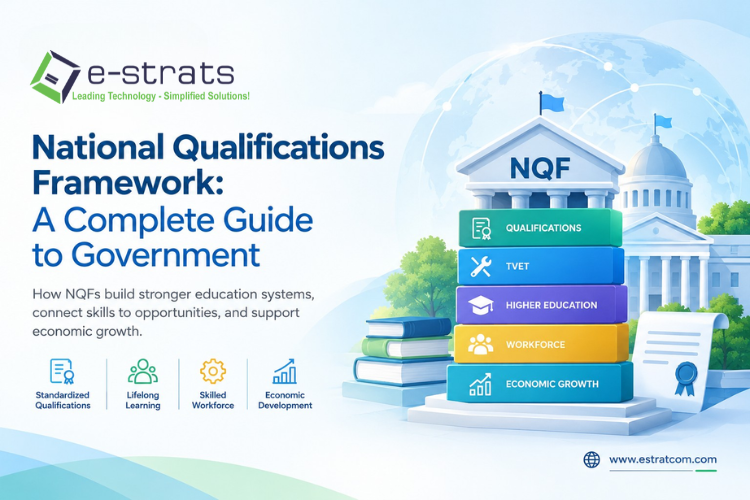
As economies become increasingly knowledge-driven and skills-based, governments face a critical question: how can they ensure that education and training systems produce qualifications that employers trust and learners value? One proven solution is the National Qualifications Framework (NQF). Countries with well-established NQFs often experience stronger links between education and labour market needs, better recognition of..

Read more
Future-Proofing National TVET Systems Through Digital Transformation

Future-Proofing National TVET Systems Through Digital Transformation

Building a Future-Ready TVET Ecosystem Future-proofing TVET systems requires a strategic approach that combines policy, technology, and stakeholder collaboration. 1. Digitize Learner Management A centralized learner management platform enables institutions and authorities to track learner progress from enrollment through certification and employment. Benefits include: Improved learner outcomes Better data accuracy Enhanced reporting capabilities Increased accountability..

Read more
Artificial Intelligence as a Service

AI as a Service (AIaaS): The Future of Enterprise System Deployment and Scalability

In the race for digital transformation, businesses are faced with a crucial decision: spend millions building custom AI systems in-house, or tap into the power of the cloud. The answer is increasingly found in a revolutionary model: AI as a Service (AIaaS). AIaaS is democratizing access to cutting-edge artificial intelligence. It represents the logical evolution..

Read more